
Freemasonry
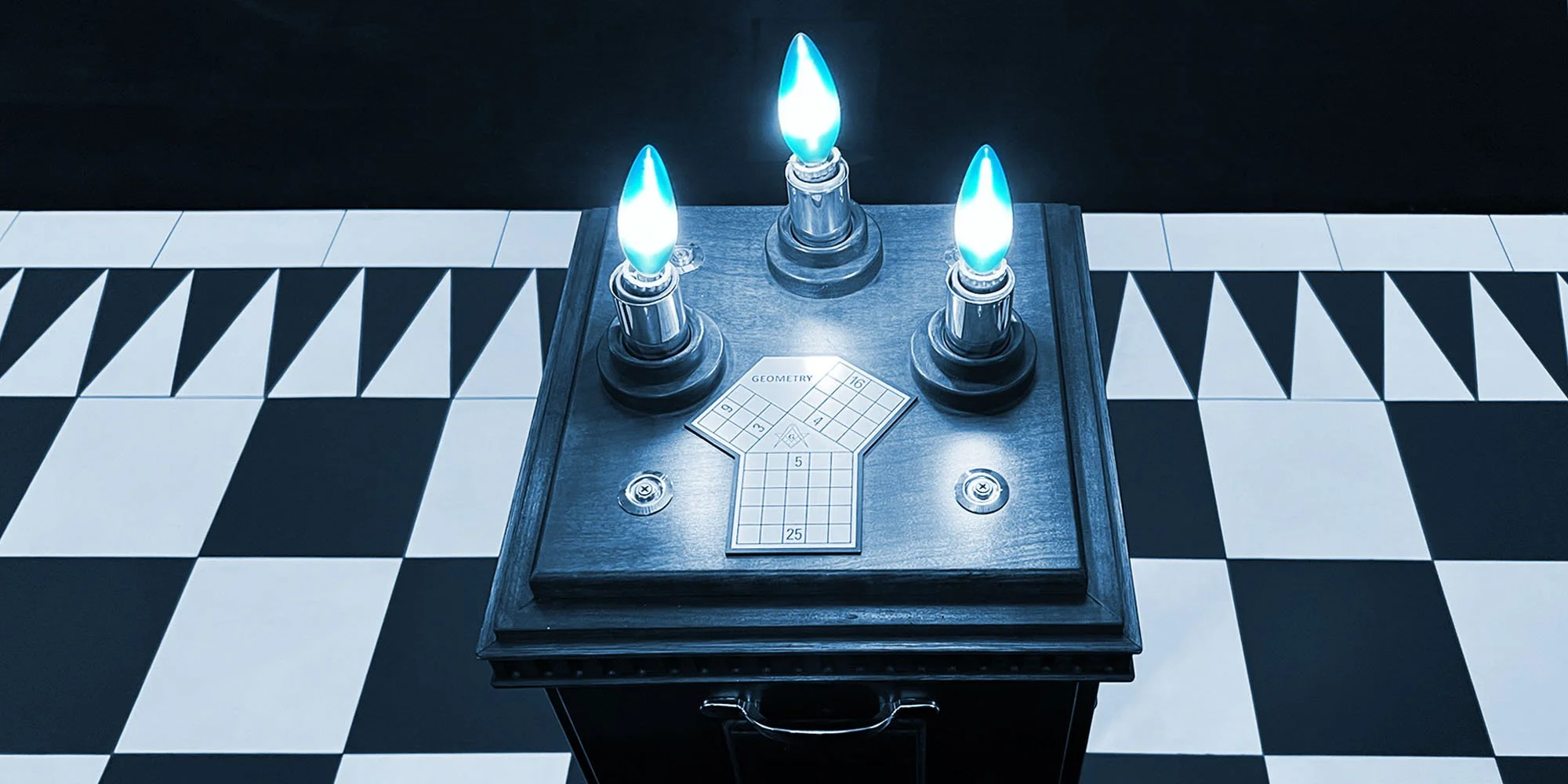
Our mission is guided by the enduring and relevant principles of our fraternity:
Brotherly Love, Relief and Truth
Brotherly love. We value respect, freedom, kindness, tolerance, and our differences - religious, ethnic, cultural, social, generational, and educational - and strive for harmony in our individual lives, in our lodges, and in the global community.
Relief. We take responsibility for the well-being of our brothers, our families, and the community as a whole. We provide relief through philanthropy, community involvement, and delivery of excellent care.
Truth. We stay true to our personal code of conduct and ethics - honor, integrity, personal responsibility, and the continuous pursuit of knowledge.
What is Freemasonry?
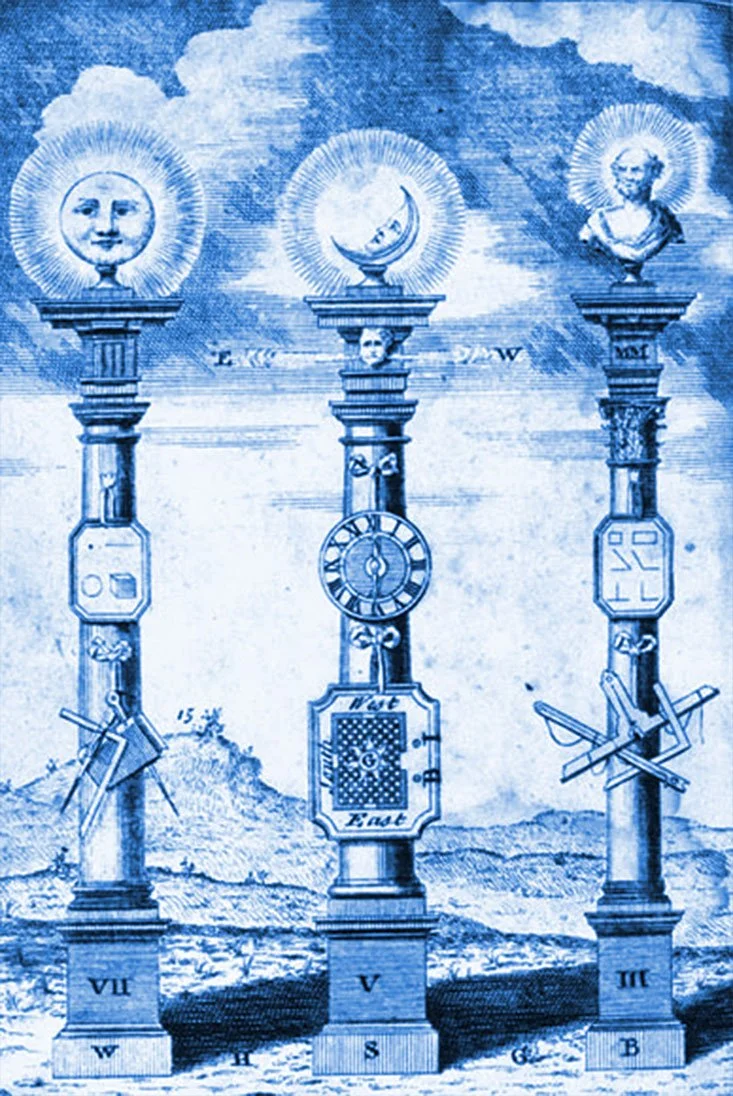
Freemasonry is the world’s first and largest fraternal organization. It is centered on the belief that each man has a responsibility to help make the world a better place. Freemasonry enhances and strengthens the character of the individual man by providing opportunities for fellowship, charity, and personal growth towards truth. Through our culture of philanthropy, we make a profound difference for our brothers, our families, our communities, and our future.
In the Middle Ages, the term “freemason” was awarded to highly skilled masons of freestone. These stonemasons were hired as free agents to build castles and cathedrals in Europe. Because of the inherent danger of their work as well as the need of upholding proficiency in the work, stonemasons formed local organizations, called lodges, to uphold quality of instruction and trade secrets through the art of memory, and to take care of sick and injured members as well as the widows and orphans of those who perished on duty. Eventually, men who were not skilled workers in stone joined these lodges to share in the rights and benefits, while upholding the traditions imparted. These men were known as “accepted masons.” The institution thereby transitioned from a craft guild to a fraternity upholding the greatest virtues of brotherly love, relief and truth.
Brother Albert Pike said the following regarding the veritable and timeless value of Freemasonry:
“Masonry is useful to all men: to the learned, because it affords them the opportunity of exercising their talents upon subjects eminently worthy of their attention; to the illiterate, because it offers them important instruction; to the young, because it presents them with salutary precepts and good examples, and accustoms them to reflect on the proper mode of living; to the man of the world, whom it furnishes with noble and useful recreation; to the traveler, whom it enables to find friends and brothers in countries where else he would be isolated and solitary; to the worthy man in misfortune, to whom it gives assistance; to the afflicted, on whom it lavishes consolation; to the charitable man, whom it enables to do more good, by uniting with those who are charitable like himself; and to all who have souls capable of appreciating its importance, and of enjoying the charms of a friendship founded on the same principles of religion, morality, and philanthropy.” (Morals and Dogma 10:6)
Are you a Woman wishing to participate in Masonic teachings and experiences? We are pleased to welcome, Order of the Eastern Star (originally formed in 1850), that now meet here at our Lodge! Eastern Star is a Co-Ed Masonic group covering Masonic knowledge practiced in a typical Men’s Lodge with both men and women. So, if you are a Woman of outstanding moral character and no criminal record or a Man that is a Master Mason (same criteria), you may be eligible to join!
What do Masons do?
Freemasonry offers its members opportunities for fellowship, leadership, lifelong learning, personal growth, and meaningful service. Through shared meals, educational programs, ritual, mentorship, family events, and community outreach, Masons strive to build stronger men who, in turn, help build stronger communities. At the heart of all these activities is charity—not simply as the giving of money, but as an expression of compassion, kindness, and service. Whether supporting scholarships, food banks, disaster relief, youth programs, or a neighbor in need, charity remains the defining principle of our Craft and the clearest demonstration of the values we profess.
Our compassion for others manifests itself in many ways also. From housing neglected and abused children to helping seniors remain independent, Masons contribute more than $1.4 million every day in the United States to aid individuals who are sick, aged, or destitute, or whose physical, emotional and psychological needs are not being met. The vast majority of Masonic philanthropies assist people who are not Masons.
By appreciating our differences, we learn to focus on what unites mankind. Thus, the discussion of religion, politics, and business is not permitted in our lodges. In this way we live up to the centuries-old aim of our fraternity – to unite men of every country, sect, and opinion and cause true friendship among those who otherwise would have remained at a distance.
Famous Masons
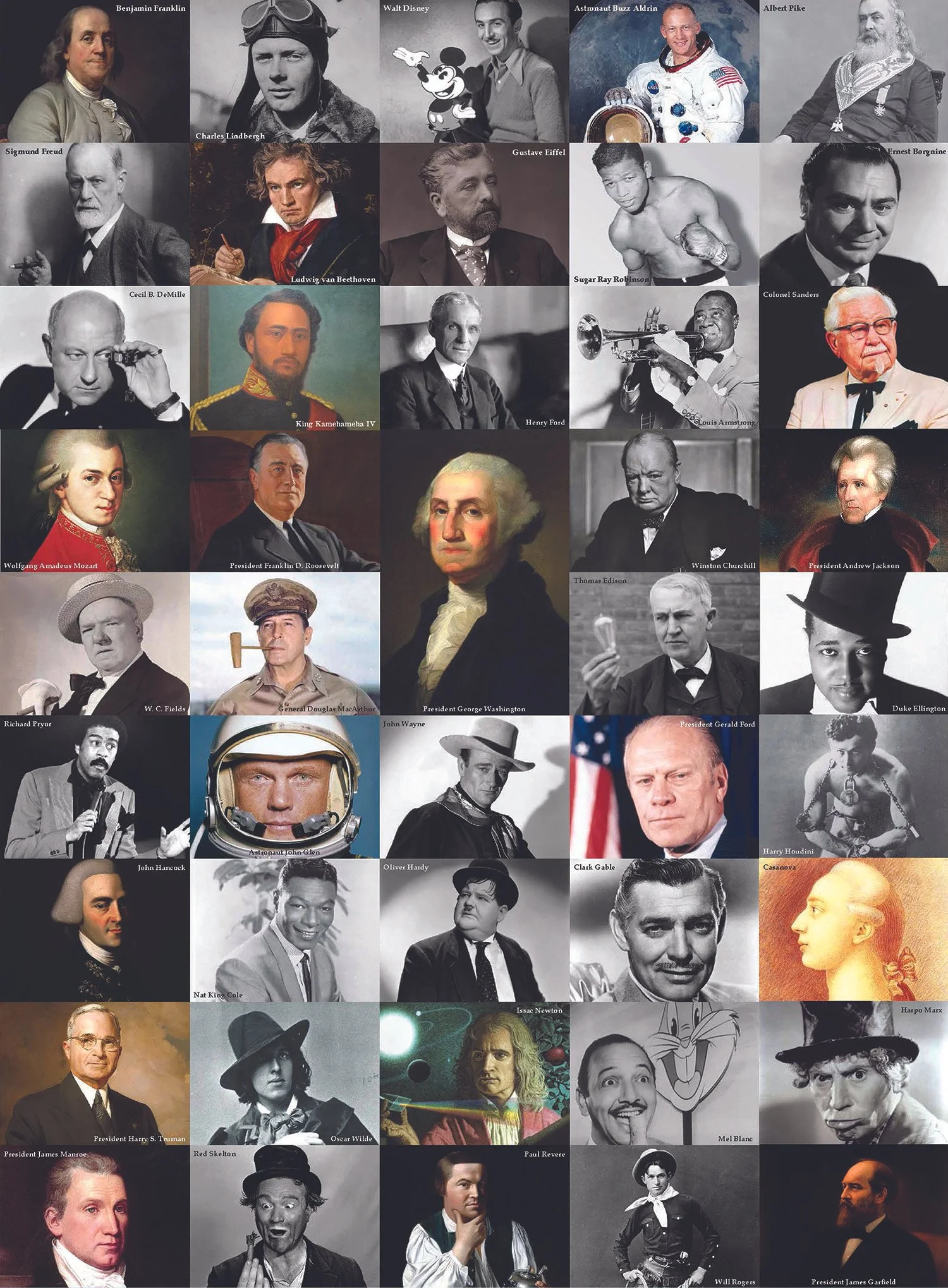
Throughout the history of Freemasonry many men of influence and accomplishment have been drawn to the fellowship of the fraternity.
Some, by society's standards, were successful men before they petitioned for membership. Others went on to accomplish great things because they put into practice the lessons and teachings of Masonry.
Below is a partial list of the famous Freemasons we have thus far identified. No doubt there are many more. Some may choose not to be publicly identified due to their position and the confusion that surrounds membership in the Craft. We will endeavor to continue to add to this list bearing in mind the proper considerations to privacy.
Masonic Presidents of the U.S.A
George Washington
James Monroe
Andrew Jackson
James K. Polk
James Buchanan
Andrew Johnson
James Garfield
William McKinley
Theodore Roosevelt
William Taft
Warren Harding
Franklin D. Roosevelt
Harry S. Truman
Lyndon B. Johnson (EA)
Gerald Ford
Masonic Founding Fathers of the U.S.A.
Benjamin Franklin
John Hancock
Joseph Warren
Paul Revere
Henry Knox
John Blair William
John Sullivan
John Paul Jones
Mordecai Gist
Edmund Randolph
John Marshall
Freemason Military & Political Leaders
Gen Henry Harley "Hap" Arnold
Gen. Omar Bradley
Sir Winston Churchill
Adm. William Crowe
Gen Geo. Marshall
Gen. Douglas Macarthur
Gen. Matthew B. Ridgway
Audie Murphy
Gen. John Pershing
Eddie Rickenbacker
Arthur, Duke of Wellington
Famous Freemason Entrepreneurs
John Jacob Astor
Walter Chrysler
John Eberhard Faber
Henry Ford
King Gillette
Arthur Godfrey
Charles Hilton
Andrew Mellon
J. C. Penny
Nathan Rothschild
Dave Thomas
Famous Freemason Actors & Directors
James Monroe
Gene Autry
Ernest Borgnine
Eddie Cantor
Cecil B. DeMille
Douglas Fairbanks
W. C. Fields
Glenn Ford
Clark Gable
Oliver Hardy
Harry Houdini
Al Jolson
Louis Mayer
Tom Mix
Roy Rogers
"Red" Skelton
John Wayne
Famous Freemason Authors
James Boswell
Robert Burns
Sir Arthur Conan Doyle
William S Gilbert
Wolfgang Goethe
Rudyard Kipling
Alexander Pope
Aleksander Pushkin
Sir Walter Scott
Jonathan Swift
Anthony Trotlope
Oscar Wilde
Famous Freemason Explorers
Adm. James Bruce
Richard Byrd
William Clark
Elisha Kane
Charles Lindbergh
Meriwether Lewis
Robert Perry
Robert Scott
Lowell Thomas
Famous Freemason Astronauts
Col. Edwin "Buzz” Aldrin
Gordon Cooper
John Glenn
Virgil "Gus" Grissom
James Irwin
Freemason Sports Greats
Ty Cobb
Mickey Cochrane
Eddie Collins
Shaquille O'Neal
Scottie Pippen
Jimmy Foxx
Frankie Frisch
Rogers Hornsby
Carl Hubbell
Christy Mathewson
Willie Mays
Pie Traynor
Tris Speaker
Honus Wagner
Denton True "Cy" Young
John Elway
Famous Freemason Musicians
Roy Acuff
Irving Berlin
Brad Paisley
Roy Clark
George M. Cohan
Little Jimmy Dickens
Duke Ellington
Franz Josef Haydn
Ferlin Huskey
Franz Liszt
Wolfgang Mozart
Jan Sibelius
John Phillip Sousa
Mel Tillis
Burl Ives
Hank Thompson
Paul Whiteman
Freemason Frontiersmen
Kit Carson
"Buffalo Bill" Cody
Davie Crockett
Sam Houston
William Travis
Source Material: www.mastermason.com/wilmettepark/wellknownmasons.htm